Teachers and Students are Citizens
While it isn't often discussed, a major part of social studies is teaching students both that they are citizens, and then, how to be a citizen. The phrase citizen here is pulling extra duty, as students (and teacher) are citizens in many different regards. From our community, to the larget Okemos community, to Michigan, the US, and even the world. We all occupy multiple citizenships, and in social studies students explore what that means. For me, it was important that studets, as citizens, learn to be both respectful and curious. I wanted my students to, when faced with new information ask who is left out, who benefits from what is said, and why might they say it like that? These kinds of critical thinking skills are incredibly important for all citizens to have.
Teaching Marginalization
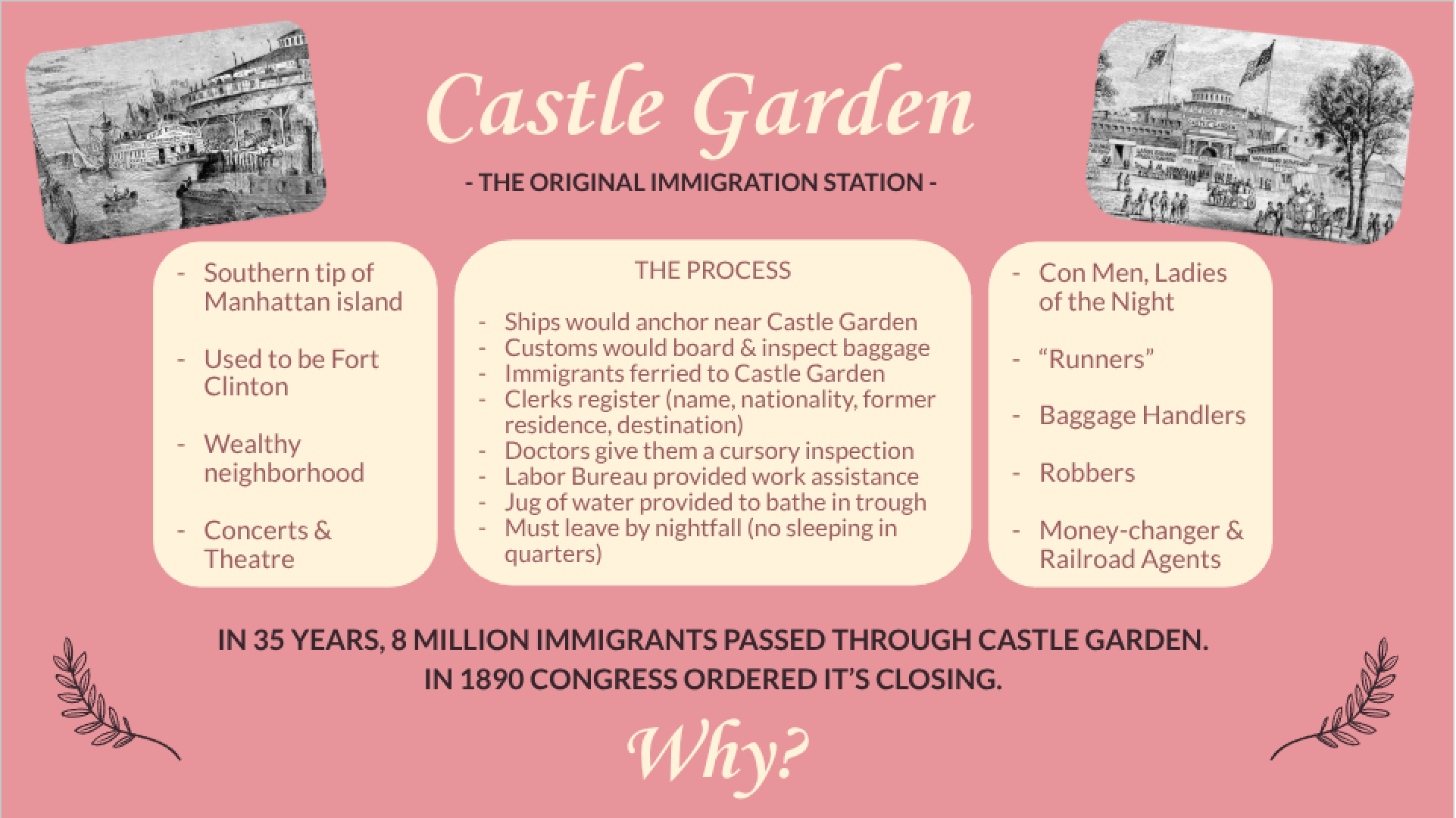
Teaching the second half of US History gives us a unique opportunity to introduce students to groups that exist on the margins of society. This ultimately ties in with the on board ramps I mentioned in thoughtful curriculum. As citizens students have a responsibility to stand up for those whose voices go unheard. How can we expect them to do that if they don’t have a solid understanding of history, especially the history of those marginalized communities? As with just about everything a teacher wants to accomplish this means we have to teach them these skills! Thus, ensuring that students learned about the groups of people who, whether throughout history, or in that specific moment were marginalized. Teaching students about the immigration process (Angel and Ellis Islands in particular) really helped showcase this to the students. In teaching students about those who faced marginalization students learn to ask about who is left out of the conversation. Who’s voice is left unheard. They learn to ask why that is, what is the history that lead to this, and how can we change it moving forward. Teaching students about American Internment of Japanese Citizens I was able to see the students apply what they had learned in the past. About immigration, especially that of Angel Island. How it foreshadowed and reflects the internment that Japanese American’s faced.
Economic Success Model
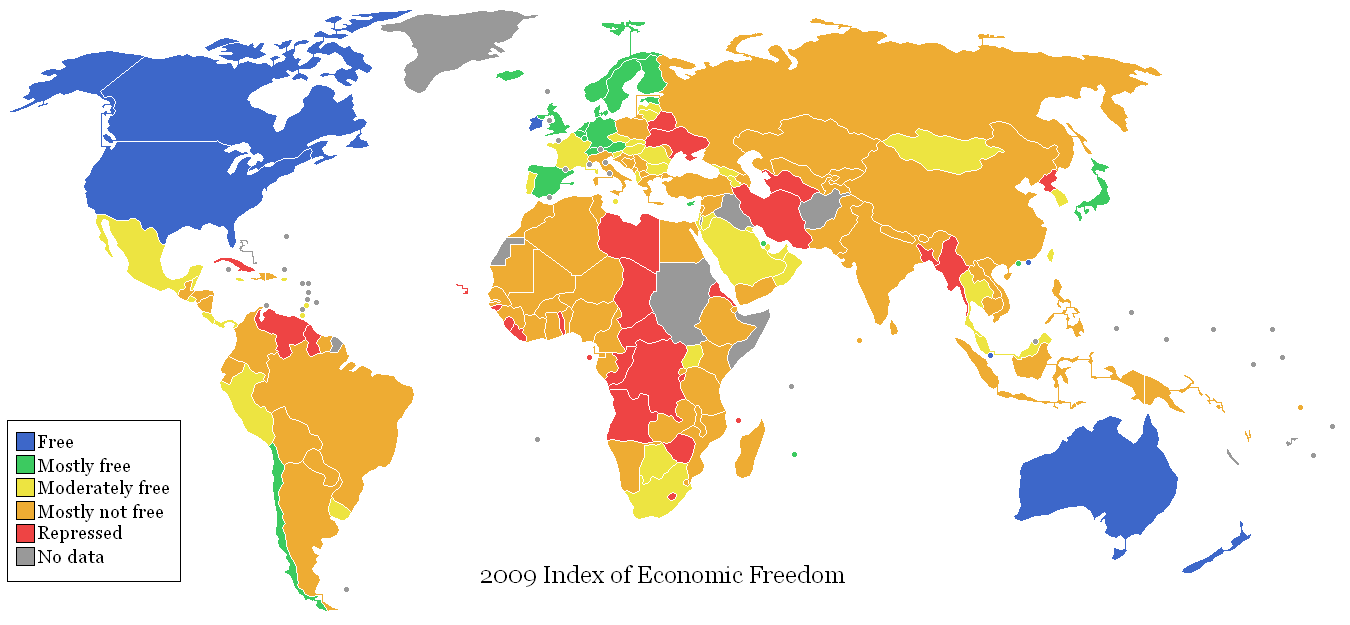
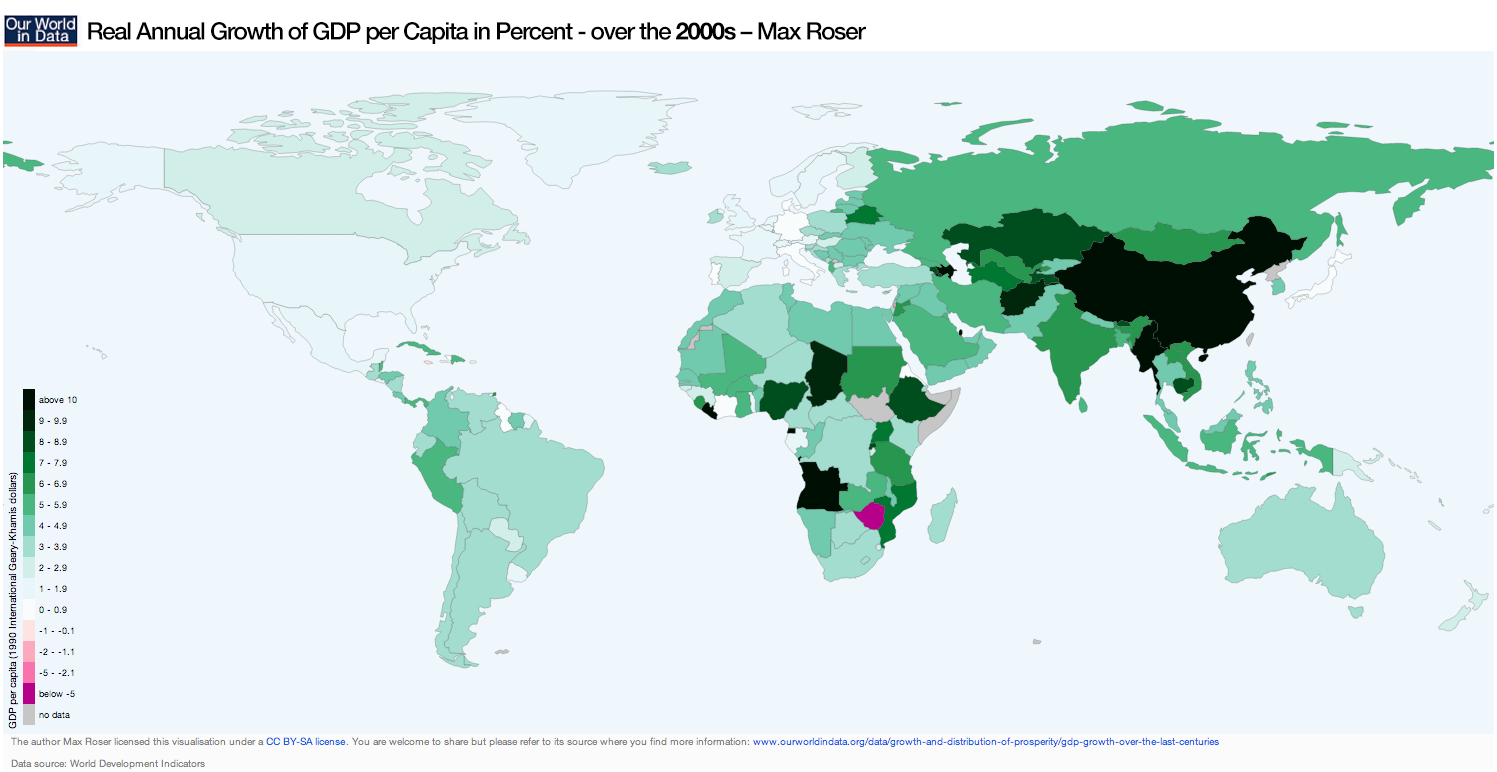
It is incredibly important to me that as citizens of a globally connected world, students are taught in a way that opens their mind to differences and asks them to be curious. Many curriculum want students to leave with the understanding that the free market, and the way America specifically does it, is the end all be all best system, with all other systems have cons that far outweigh the pros. With this belief in mind what ends up happening is that students take this to mean that any country with different levels of economic success to America (especially in the category of “economic freedom”) are relatively backwards in comparison to America. This way of thinking leads to a thought process that is antithetical to the idea of being a citizen of the globe. Thus, it was really important to me that students first understood the ways in which measures of economic success can be used in different ways to make a country look bad, and good. Even down to the color used to represent a country, let alone the measures themselves. Then I wanted to prepare students with different ways of measuring economic success. Part of this involves teaching students that other countries and other cultures have differing priorities and that something like economic freedom (the freedom to buy for instance different options of bread) might not be as important to other groups as it is to us, and it is very important that we don’t judge them on that matter. I was really impressed with how the students took this, we ended up having a discussion about how economic success models can be used to justify ideas, whether harmful or otherwise. Suffice it to say I was thoroughly impressed by my students.
Being a citizen of the school
As I mainly teach freshmen, a lot, if not all of them, are adapting to not only a completely new physical environment, but also a new social environment as well. How to act as a student in high school, as someone who is starting to have more responsibility. The best way I have found to do this is by modeling positive interactions both with my students and with colleagues in front of students. Whether it is in the hall, or when a teacher steps in, it is incredibly important to model respectful relationships with other adults. On top of that though it is important to me model respectful relationships with students. I want my students to feel valued and welcomed in their school, and so by treating them respectfully, and as the fully realized humans that they are, I hopefully set the bar for the other adults in their life high enough to make them comfortable saying something when they feel they aren’t being treated right. Too often are children treated not as citizens of our country, but as essentially property. If we want to expect students to act as citizens, we must first treat them as such! This also meant, to me, showcasing to students that I was a part of their community too, helping out at clubs like DnD club, and Magic the Gathering club were great ways for me to work to showcase that for my students.